7 essential engine compatibility checks
Buying a used engine is a significant investment. Make sure the engine is fully compatible with your vehicle by checking these 7 critical points.
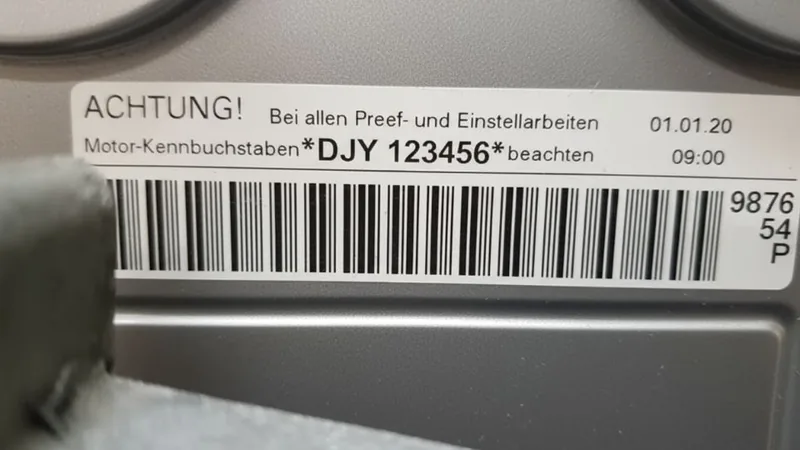
1. Engine code: the most important compatibility factor
The engine code is the only reliable identifier for complete engine compatibility. The same engine displacement (e.g. 2.0 TDI) can contain dozens of different engine variants, with different:
- Pistons, crankshafts and cylinder heads
- Sensors and auxiliary equipment
- Engine control units and software
2. Euro standard: compatibility of emission requirements
The Euro standard (Euro 3, 4, 5, 6) defines the engine's emission systems. Changing standards can cause problems:
- Older standard: problems with technical inspection and warning lights
- Newer standard: may require additional parts (e.g. AdBlue, DPF)
3. Sensors and auxiliary equipment: important details
Make sure the engine includes all necessary sensors and equipment or that they are compatible with your vehicle:
- Lambda sensors (quantity and type)
- Mass air flow meter (MAF)
- Temperature and pressure sensors
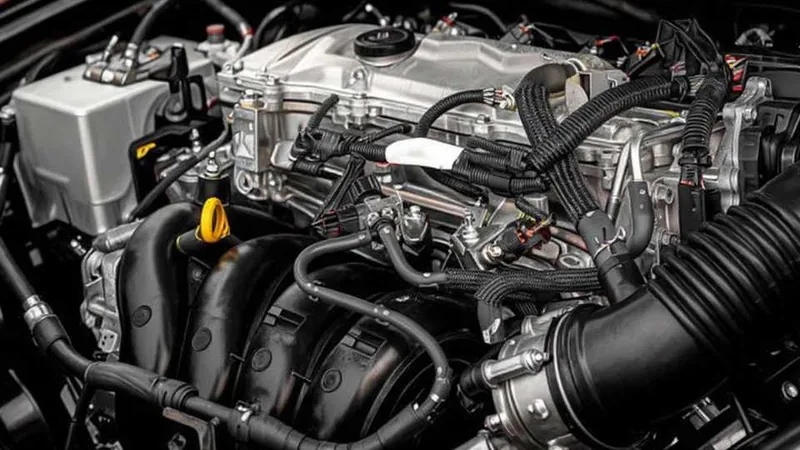
- Wiring harness compatibility
4. Content: "bare" or "complete" engine
Clearly define what is included with the engine:
- Bare engine: only the block, without injectors, turbo, sensors
- Complete engine: including injectors, turbo, sensors, wiring harness
5. Tests and condition verification
Always request tests that prove the good condition of the engine:
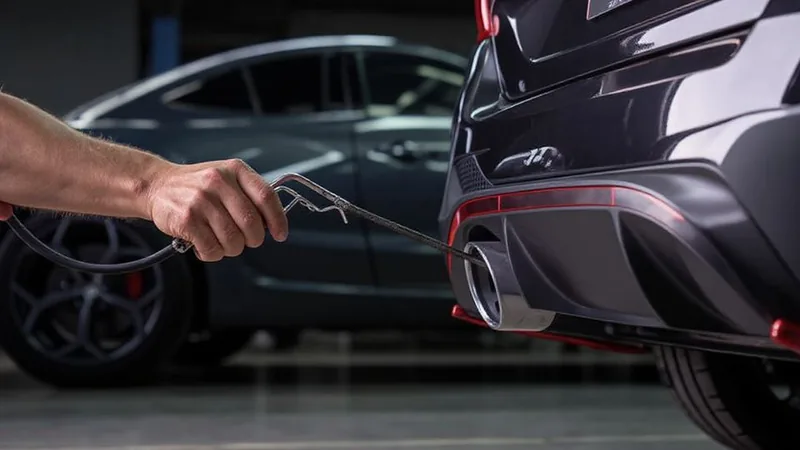
- Compression test on all cylinders
- Check for absence of emulsion in oil
- Engine free rotation test
- Visual verification of general condition
6. Traceability and origin
Check the origin and history of the engine:
- Real engine mileage
- Maintenance history when available
- Vehicle origin (accident, dismantling, etc.)
7. Warranty and after-sales support
Never buy an engine without adequate warranty:
- Minimum 6-month warranty
- Technical support during installation
- Return or exchange options in case of problems
2) Euro standard & generation
- Check: the Euro 3/4/5/6 standard of your vehicle (shown on the registration document) and the standard of the engine for sale.
- Risk: downgrading (e.g. a Euro 4 engine → Euro 5 vehicle) means mismatched EGR/DPF, NOx sensors and OBD logic.
- Good practice: same code + same standard to avoid risky adaptations.
3) Electronics, sensors & wiring (OBD/ECU)
- Sensitive points: crankshaft (TDC) sensor, MAP, lambda, mass air flow meter, DPF pressure sensors, turbo actuator, wiring loom, connectors.
- To clarify: the ECU is (usually) not supplied with a used engine. Make sure the sensor and manifold setup matches yours.
- Tip: if the engine comes "dressed", list exactly what is included to avoid hidden incompatibilities.
4) Objective mechanical condition (tests & inspection)
Useful tests
- Even compression across cylinders
- Leak-down test if available
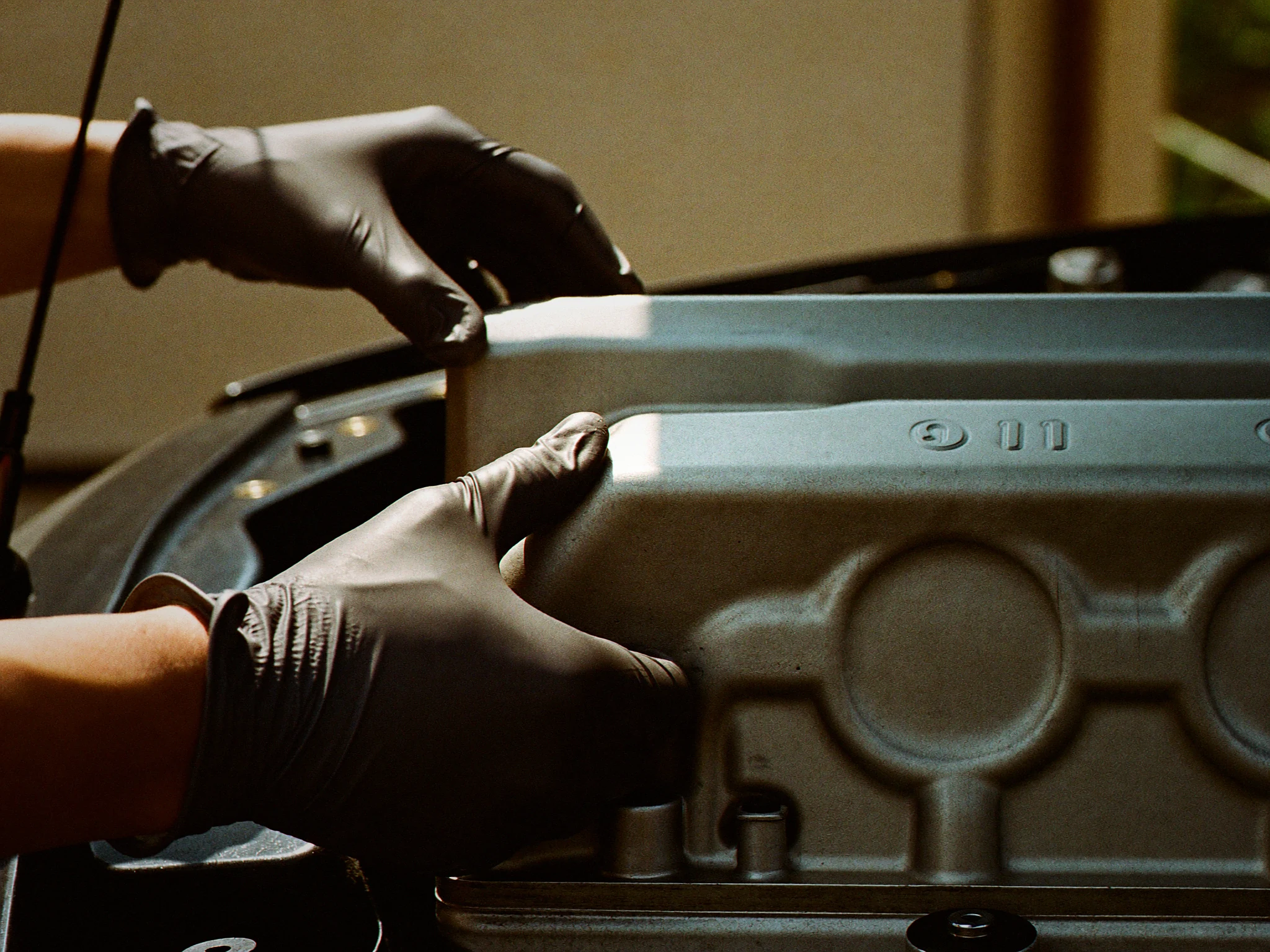
Visual inspection
- No cracks
- No oil emulsion
- No abnormal play
- No excessive corrosion
5) Mileage & traceability
- Ask for: consistent mileage (certificates, history) and origin (donor vehicle, accident damage, import).
- Rule of thumb: low mileage without traceability is worth less than reasonable mileage with solid proof.
- Bonus: check the removal date and storage conditions (plugs, wrapping, dry storage).
6) What is delivered: bare or complete engine
Bare engine
Block + cylinder head (no ancillaries). Plan to transfer your injectors, turbo, high-pressure pump, alternator, AC compressor, flywheel, etc.
Complete/dressed engine
Some ancillaries included. Budget for the parts to replace (gaskets, timing belt/chain if accessible, water pump, plugs, etc.)
7) Terms of sale: warranty, returns & logistics
- Warranty: length (months/km), exclusions (overheating, poor lubrication), conditions (fitted by a professional, new parts).
- Returns: time limit, required condition, who pays for return shipping.
- Logistics: dispatch time, transport insurance, delivery check procedure (photos, check for impacts or leaks on arrival).